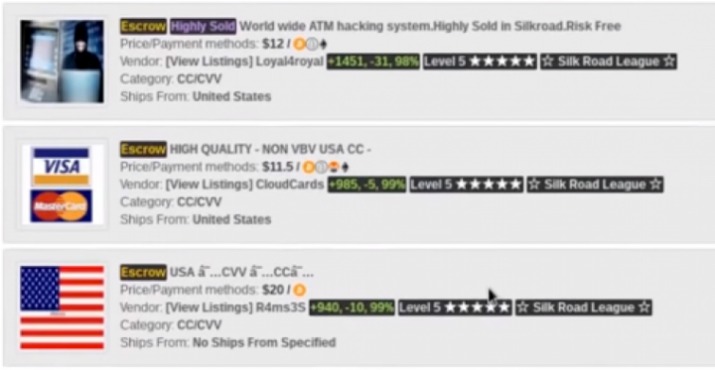

Overview of Dark Web Payment Methods
The world of the dark web is a complex and often misunderstood realm, particularly when it comes to its payment methods. These avenues for conducting transactions are designed to provide anonymity and security, which are crucial in an environment where legality is often murky. Popular payment methods on the dark web include cryptocurrencies, prepaid cards, and even barter systems. By using these methods, individuals can navigate dark web payment methods while maintaining a level of privacy. For those exploring this shadowy marketplace, staying informed about different payment options is essential, especially in the context of darknet markets and their unique requirements.
Importance of Anonymity
The dark web is often associated with illicit activities and a marketplace that thrives on anonymity. One of the key components enabling this underground economy is the variety of payment methods used. Understanding the payment methods available on the dark web is crucial for anyone looking to navigate this obscure realm, as these methods emphasize the importance of anonymity for users.
One prevalent payment method is cryptocurrency, with Bitcoin being the most recognized. Its decentralized nature allows users to conduct transactions without revealing personal information. However, as Bitcoin has become more mainstream, other cryptocurrencies like Monero and Zcash have gained popularity due to their enhanced privacy features. These currencies obscure transaction details, making it harder for third parties to trace the flow of funds.
Another payment method frequently employed on the dark web is the use of cash. While it might seem old-fashioned, physical cash transactions can provide a higher level of anonymity. Users can send or receive cash through various methods, such as using mail systems to avoid any digital trace. This method, while riskier, is appealing to those who value discretion above all else.
Gift cards have also emerged as a method for making purchases anonymously. Many people prefer buying gift cards with cash at retail locations, allowing them to use these cards on dark web platforms without linking their identities. However, users need to be cautious, as some marketplaces may require specific brands or types of gift cards that are less susceptible to fraud.
Privacy-focused payment systems, such as privacy coins, are another layer of protection for those navigating the dark web. These coins are designed to ensure that the users’ identities remain hidden, which is an essential aspect of transacting in such an unpredictable environment.
In conclusion, the importance of anonymity in dark web transactions cannot be overstated. Whether through cryptocurrency, cash, gift cards, or privacy-focused payment systems, users must prioritize their identity protection while engaging in these risky but lucrative activities. Understanding the diverse payment methods available can significantly impact one’s experience in the dark web and enhance personal safety.
Risks of Traditional Payment Methods
The dark web presents a hidden side of the internet where anonymity and privacy are paramount, particularly in financial transactions. Navigating this realm requires an understanding of the various payment methods used to ensure secure and discrete transactions. While traditional payment methods like credit cards and bank transfers offer convenience, they come with inherent risks that can jeopardize users’ security and anonymity.
One of the most common payment methods on the dark web is cryptocurrency, particularly Bitcoin. Cryptocurrencies allow users to make secure transactions without revealing their identity. This decentralized form of currency can be more difficult to trace compared to conventional payment methods, making it a popular choice among users who prioritize privacy.
Other cryptocurrencies, such as Monero and Zcash, offer even greater anonymity than Bitcoin due to their advanced privacy features. These coins obfuscate transaction details, facilitating a higher level of confidentiality that is essential for many dark web activities. Each of these options allows users to engage in transactions while minimizing the risk of exposing personal information.
In contrast, traditional payment methods like credit cards and PayPal are fraught with risks when utilized on the dark web. Users’ personal information is often more susceptible to theft and fraud, as these systems are not designed for the anonymity that dark web transactions require. Additionally, credit card companies can easily trace transactions back to the individuals making them, significantly compromising anonymity. This lack of privacy can lead to unwanted attention and potential legal consequences.
Moreover, the reliance on traditional banking systems poses risks of chargebacks and fraud disputes, which are not present with cryptocurrency transactions. Using traditional methods can also lead to account suspensions or investigations by financial institutions if they flag suspicious activity, further putting users at risk.
In summary, while navigating the dark web, utilizing cryptocurrency as a payment method significantly enhances the ability to conduct secure transactions. The anonymity provided by cryptocurrencies makes them the superior choice for those seeking privacy, while traditional payment methods expose users to significant risks. Understanding these distinctions is crucial for anyone exploring the complexities of the dark web.
1. Cash Payments
In the realm of online transactions, particularly within the shadowy dark web, cash payments present a unique appeal for those seeking anonymity and security. Unlike traditional payment methods, using cash allows users to maintain a low profile while engaging in various activities without leaving a digital trace. Many individuals turn to dark web payment methods to facilitate their transactions, with cash being a favored choice for its simplicity and discretion. While cryptocurrencies like Ethereum also play a significant role, cash remains a crucial player for many looking to navigate this underground economy.
How to Use Cash Anonymously
When exploring the world of the dark web, privacy and anonymity become paramount. One of the simplest ways to maintain a level of anonymity while making transactions is through cash payments. Using cash allows users to avoid linking their identity with their purchases, as there are no digital trails left behind.
To use cash anonymously, you can start by obtaining prepaid cash cards or vouchers from various retail outlets. These options typically don’t require personal information, allowing you to load cash onto them and use them for online purchases. Another method is to participate in cash-based transactions, such as meeting someone in person to buy goods or services directly.
While cash payments provide a degree of anonymity, it’s important to remain vigilant and consider the risks involved. For instance, when purchasing items, always think about the seller’s credibility and whether they can be trusted. In contrast, some users might prefer using cryptocurrency for their transactions on the dark web as it provides an additional layer of privacy through decentralized networks.
Ultimately, whether opting for cash payments or exploring digital alternatives like cryptocurrency, staying informed about potential risks and safe practices can enhance your experience while navigating the dark web securely.
Advantages of Cash Payments
When navigating the complex world of online transactions, especially in the context of the dark web, cash payments present unique advantages. One of the most significant benefits of using cash is the enhanced anonymity it provides. Unlike digital transactions that may leave a trail, cash payments allow individuals to maintain their privacy.
Cash eliminates the risk of personal information being exposed, which is vital when dealing with private networks that may not prioritize security. This anonymity can be crucial in ensuring that users feel safe while participating in potentially risky transactions.
Another advantage is the immediacy of cash transactions. Cash payments are straightforward and can be completed quickly without the need for a bank or payment processor. This efficiency is particularly appealing in the fast-paced environment of the dark web, where delays can be detrimental.
Additionally, using cash helps to avoid complications associated with chargebacks or transaction disputes, as the transaction is final once the payment is made. For individuals engaged in buying and selling on illicit platforms, this can provide peace of mind knowing that their transaction is secure and irreversible.
In summary, cash payments offer significant advantages in terms of privacy, speed, and security, particularly when operating within private networks. These benefits make cash a preferred method for many navigating the darker corners of online commerce.
Disadvantages of Cash Payments
Cash payments may seem straightforward and convenient, but they come with a set of notable disadvantages, especially in the context of transactions conducted on the dark web. While cash has its merits, such as anonymity and immediate settlement, it lacks certain features that can make other payment methods, like Bitcoin, more appealing for users navigating the complexities of the dark web.
- Limited traceability: Cash transactions are anonymous, which means they leave no digital footprint. However, this also makes it difficult to obtain refunds or resolve disputes.
- Insecurity: Carrying cash poses a risk of theft or loss. Once cash is gone, there is often no way to recover it.
- Lack of buyer protection: Unlike digital payment methods, cash transactions typically do not offer any consumer protection, leaving buyers vulnerable.
- Accessibility issues: Converting cash to cryptocurrency can be cumbersome, and accessing dark web marketplaces can be challenging for those who only use cash.
In contrast, using digital currencies like Bitcoin provides users with enhanced security, ease of transaction, and greater potential for anonymity, making it a preferred option in the dark web landscape.
2. Bitcoin
The rise of the digital landscape has ushered in various methods of transaction, especially in less conventional environments like the dark web. Among these, Bitcoin stands out as a leading choice due to its promise of anonymity and decentralized nature. However, it’s not the only option; cryptocurrencies such as Litecoin are also gaining traction for similar purposes. Exploring these dark web payment methods reveals a complex world where privacy is paramount and traditional banking systems are often bypassed.
Bitcoin’s Public Nature
Bitcoin has emerged as a popular payment method on the dark web due to its public nature. Transactions made with Bitcoin are recorded on a public ledger known as the blockchain, which makes it easy to trace the flow of funds. This transparency can be a double-edged sword for users. While it allows for some level of accountability and security, it also means that someone with the right tools can potentially identify the transactions and users behind them.
Despite its public nature, many users on the dark web have developed methods to increase their anonymity when using Bitcoin. Techniques like mixing services and tumblers can help obfuscate the source of funds, making it more difficult to trace transactions back to their original wallets. However, these methods don’t guarantee complete anonymity, and users must remain vigilant.
- By submitting you agree to Webz.io’s Privacy Policy and further marketing communications.
- The platform’s activity has increased significantly over the past year, indicating its growing influence and market share in the underground economy.
- The untraceable nature of Monero transactions, along with lower transaction fees, has made it an attractive option for those seeking to maintain their privacy to a greater extent.
- New encryption technologies enhance the anonymity of users, allowing them to conduct transactions with reduced risk of detection.
In contrast, other cryptocurrencies, like Ethereum, offer different features that some users might find appealing for dark web transactions. While Ethereum also operates on a public blockchain, it allows for the creation of smart contracts, which can provide additional functionalities that Bitcoin doesn’t offer. This can be particularly useful for specific use cases involving decentralized applications and complex transactions.
Overall, while Bitcoin remains a dominant player in the realm of dark web payments due to its widespread acceptance, its public nature poses challenges for users seeking complete privacy. As the landscape of digital currencies evolves, the balance between anonymity and accountability will continue to be an important consideration for those operating in less mainstream markets.
Risks of Using Bitcoin
Bitcoin has become a popular payment method on the dark web due to its perceived anonymity and security. However, there are significant risks associated with using Bitcoin for transactions in this hidden part of the internet. While many believe that Bitcoin transactions are completely anonymous, there are various ways that identity can be traced back to users, especially with the increasing capabilities of law enforcement agencies.
One major risk of using Bitcoin relates to its volatility. The value of Bitcoin can fluctuate dramatically in a short period, which can impact the amount of Bitcoin required for a purchase. This unpredictability can lead to financial losses if the market moves against the user’s position.
Furthermore, while Bitcoin is often touted for its secure transactions, these transactions are not immune to fraud. Scams and deceptive practices are prevalent on the dark web, and users may find themselves as victims when engaging in trades without proper precautions. It’s crucial to stay informed and use additional security measures, such as escrow services, when making transactions in these environments.
Ultimately, while Bitcoin offers certain advantages for making anonymous payments on the dark web, the associated risks should not be overlooked. Users must weigh the potential benefits against the dangers of exposure, fraud, and market volatility before committing to this method of payment.
Ways to Enhance Bitcoin Privacy
Bitcoin has revolutionized the financial landscape, especially on the dark web, where anonymity is highly valued. While Bitcoin is often perceived as a private payment method, it can be traced, making it less ideal for users seeking complete anonymity. To enhance Bitcoin privacy, users can adopt several strategies that help mask their transactions and identities.
One effective method is using a mixing service or a tumbler. These services blend multiple transactions together, making it difficult to trace the original source of Bitcoin. By sending your coins to a mixer, they are exchanged with others’ coins, and your resulting balance will come from different wallets, enhancing your anonymity.
Another useful technique is utilizing a new Bitcoin address for every transaction. This practice cloaks your transaction history, ensuring that outsiders cannot easily link your various transactions back to a single address. Wallets that support HD (Hierarchical Deterministic) functionalities often automate this process.
Furthermore, utilizing privacy-focused wallets can bolster your security. These wallets offer features such as coin control and advanced privacy settings, which let you manage how your coins are sent and received. For heightened privacy, one could also consider integrating Bitcoin with Litecoin for smaller transactions. As Litecoin operates with a different blockchain, it adds an additional layer of anonymity and can be exchanged for Bitcoin when necessary.
Finally, always use VPNs or Tor when accessing wallets or making transactions. This extra layer of security helps obscure your IP address, further shielding your identity from prying eyes. Combining these methods will significantly enhance your privacy when using Bitcoin, especially within the enigmatic environment of the dark web.
3. Monero
When it comes to navigating the complex world of the dark web, choosing the right payment method can be crucial for privacy and security. One of the most popular options is Monero, a cryptocurrency designed specifically for confidential transactions. Unlike traditional currencies, Monero provides enhanced privacy features, making it an appealing choice for those seeking dark web payment methods. With its focus on anonymity, Monero allows users to engage in online activities without leaving a trace, thereby offering unparalleled discretion among various anonymous payment options. As the landscape of online transactions evolves, Monero continues to be a key player for those venturing into the hidden corners of the internet.
What Makes Monero Unique
Monero stands out in the realm of cryptocurrencies, particularly as a preferred choice for transactions on the dark web. Its unique features set it apart from other cryptocurrencies, making it a go-to for those who prioritize privacy and anonymity.
One of the most notable aspects of Monero is its use of advanced cryptographic techniques. Unlike Bitcoin, which can trace transactions through its public ledger, Monero employs a technology called Ring Signatures. This means that when a transaction is made, it blends the sender’s address with multiple others, making it nearly impossible to determine the true sender. This is crucial for users operating in environments where discretion is vital.
Additionally, Monero features stealth addresses, which create one-time addresses for each transaction. This further enhances privacy by preventing any link between the recipient’s identity and their transactions. As a result, even if someone observes the blockchain, they cannot trace any of the transactions back to a specific user.
Monero’s focus on privacy not only makes it appealing where discretion is required but also promotes a level of financial independence. In a world where digital transactions are under increasing scrutiny, Monero allows users to maintain control over their funds. This dedication to confidentiality renders Monero a popular choice for those seeking an alternative to traditional monetary systems, embodying the essence of cash in the digital age.
Privacy Features of Monero
Monero stands out in the realm of cryptocurrencies, particularly for those interested in privacy and anonymity. Unlike traditional cryptocurrencies like Bitcoin, which can often expose transaction details to a degree, Monero utilizes advanced cryptographic techniques to safeguard user identity. This makes it a preferred choice for users navigating the dark web and seeking a better layer of security.
One of the primary privacy features of Monero is its use of ring signatures. This technology allows a group of transactions to be combined into a single signature, making it virtually impossible to trace the origin of a transaction. Each Monero user conducts transactions by mixing their digital footprints with others, obscuring the trail of money movement.
Additionally, Monero employs stealth addresses, which generate one-time addresses for each transaction. These addresses ensure that recipients remain confidential and prevent anyone from linking the transaction to a specific user. This aspect is crucial for maintaining anonymity, especially for those who may engage in purchasing products or services on the dark web.
Another notable feature is the integration of confidential transactions. This mechanism conceals the transaction amounts from being publicly viewed. In a world where privacy is increasingly scarce, these features collectively offer a robust solution for users who require discretion in their financial dealings.
For those looking to engage in commerce on the dark web, using Monero with digital wallets tailored for this cryptocurrency ensures their transactions remain private and secure. This combination of privacy features solidifies Monero’s position as a go-to cryptocurrency for individuals who prioritize anonymity and security in their online transactions.
4. Prepaid Cards
Prepaid cards have gained traction as a popular choice for transactions on the dark web due to their anonymity and ease of use. Unlike traditional banking methods, prepaid cards allow users to make purchases without linking their personal information, making them ideal for those looking to explore the more hidden corners of online commerce. Whether you’re considering using them for legitimate purchases or delving into dark web payment methods, these cards provide a layer of security that many find appealing.
How Prepaid Cards Work
Prepaid cards are increasingly recognized as a viable payment method for various online transactions, including those conducted in the dark web. Unlike traditional credit or debit cards, prepaid cards are not linked to a bank account. Instead, they are loaded with a specific amount of money that can be used until the balance is depleted. This feature offers added anonymity, making them appealing for users looking to maintain a low profile while navigating the complexities of the dark web.
To use a prepaid card, you first need to purchase one from a retailer or online service. After acquiring your card, you load it with money, either through cash, direct deposit, or bank transfer. Once the funds are available on the card, you can use it to make purchases wherever the card is accepted, both on the surface web and the dark web. This process allows users to control their spending and limits exposure to fraud since the card is not linked to personal financial information.
When engaging in transactions on the dark web, it is crucial to enhance your security. Using a VPN can mask your IP address and encrypt your online activities, providing an additional layer of protection. Prepaid cards combined with a secure VPN can create a safer browsing experience, making it harder for anyone to trace your transactions back to you.
In conclusion, prepaid cards offer a straightforward and anonymous way to make purchases, particularly attractive for those exploring the dark web. By leveraging these cards alongside a VPN, users can navigate their online activities with greater peace of mind and reduced risk.
Risks Involved with Prepaid Cards
Prepaid cards have gained popularity as an alternative payment method, especially in less-than-traditional contexts such as the dark web. While they offer anonymity and ease of use, there are significant risks associated with their utilization that users should consider.
One of the primary risks involves the lack of consumer protections that typically accompany credit and debit cards. If a prepaid card is lost or stolen, recovering the funds can be challenging, and users often have limited recourse against fraudulent transactions. Additionally, since prepaid cards are not linked to a bank account, any failure to report a lost card promptly can lead to complete financial loss.
Another concern is the potential for scams. Many users may unknowingly purchase prepaid cards from dubious sources, especially in unregulated environments. These cards can be easily manipulated or drained of funds by criminals, leaving users at a financial disadvantage. Furthermore, the pseudo-anonymity that these cards provide can attract unwanted attention from law enforcement and can lead to legal complications for the users involved.
It’s also important to consider the implications of using digital currencies like Ethereum in conjunction with prepaid cards. While they can offer a layer of anonymity, engaging in transactions on platforms that utilize such payment methods can raise red flags, putting users at risk of exposure to malicious activities or legal repercussions.
In summary, while prepaid cards provide a certain level of anonymity and convenience, they come with inherent risks that users must weigh carefully. Understanding these potential pitfalls is essential for anyone considering utilizing such methods in complex environments like the dark web.
5. Masked Credit Cards
In the shadowy realm of the dark web, navigating payment methods can be as crucial as the transactions themselves. One popular option that has gained traction among users is the masked credit card. These cards provide a layer of anonymity, allowing individuals to make purchases without revealing their personal information. As people seek out dark web payment methods to ensure their financial security and privacy, masked credit cards stand out as a viable choice for facilitating secure transactions in this clandestine environment.
What are Masked Credit Cards?
Masked credit cards are a form of virtual payment method designed to enhance security and privacy during online transactions. Unlike traditional credit cards that expose your actual card details, masked credit cards generate a unique card number for each transaction. This means your real credit card information remains hidden, protecting you from potential fraud and unauthorized use.
These cards are especially useful in the context of the dark web, where anonymity is crucial. When purchasing goods or services that require discretion, using a masked credit card can provide peace of mind. The generated card number is often linked to a specific amount, ensuring you only spend what you’ve predetermined. This adds an extra layer of control over your finances.
Additionally, masked credit cards can help you keep track of specific transactions without revealing your identity. As society grows increasingly concerned about privacy and security online, adopting anonymous payment options like masked credit cards can be a smart choice for anyone looking to safeguard their financial information.
In summary, masked credit cards offer a level of security and anonymity that is particularly valuable in the often risky environment of the dark web. By using these tools, consumers can enjoy their online shopping experiences with reduced fears of their personal information being compromised.
Benefits of Using Masked Credit Cards
In the realm of online transactions, especially when navigating the complexities of the dark web, security is paramount. One innovative tool gaining traction is the masked credit card. These cards are designed to enhance privacy and provide an additional layer of protection, making them a preferred choice for those wanting to keep their financial information secure.
Masked credit cards work by generating a temporary card number that can be used for online purchases. This means that your actual credit card information remains hidden during transactions. Should a merchant experience a data breach, your real financial details are safeguarded, reducing the risk of fraud. This feature is particularly appealing for users engaging in activities on the dark web, where the potential for data compromises is higher.
Another significant benefit of using masked credit cards is the control they offer. Users can often set specific limits and expiration dates on these temporary cards. This means you can control your spending and automatically prevent unauthorized transactions, further bolstering your peace of mind in online dealings.
Moreover, using masked credit cards helps protect against identity theft. In an environment where cybercriminals actively seek sensitive information, employing these cards allows users to minimize the exposure of their personal details. With each transaction done through a masked card, you enhance your ability to conduct secure transactions without the fear of compromising your identity.
In summary, masked credit cards provide multiple benefits when it comes to maintaining financial anonymity and security. They offer a proactive approach to safeguarding your information, making them an essential tool for anyone engaging in online activities, particularly in spaces like the dark web where discretion is crucial.
Limitations and Risks
Masked credit cards have emerged as a popular payment option for individuals seeking to navigate the complexities of online transactions, especially in the murky waters of the dark web. These cards serve as a layer between the user’s personal information and the merchant, effectively obscuring sensitive details while facilitating purchases. However, while the use of masked credit cards offers a degree of privacy, it is crucial to be aware of their limitations and associated risks.
One of the primary limitations of masked credit cards is their often restricted usability. Many retailers or online marketplaces may not accept these cards, as they are designed specifically to provide an additional level of anonymity. This means that while one may feel protected, they could find themselves unable to complete transactions on certain platforms.
Moreover, the transaction limits imposed on masked credit cards can also be a constraint. These limits are typically lower than those of standard credit cards, which can hinder larger purchases. This is particularly pertinent in environments like the dark web, where some goods and services come with a hefty price tag. Additionally, users might face fees for utilizing these cards, further impacting the overall cost of transactions.
An important risk to consider is the potential for fraud. Although masked credit cards are designed to enhance privacy, they are not immune to cyber threats. Users might unknowingly expose themselves to scams or fraudulent sellers when engaging in transactions, potentially losing both their funds and the privacy they sought to maintain. Understanding the importance of security measures, such as using privacy coins for additional anonymity, can alleviate some of these concerns.
In conclusion, while masked credit cards offer a certain level of anonymity and protection, they also bring limitations and risks that users must navigate carefully. Knowing the potential drawbacks, such as restricted acceptance and vulnerability to fraud, can help individuals make more informed decisions in their quest for privacy in online transactions.
6. PayPal and Aliases
The dark web is often associated with anonymity and illicit activities, making it essential for users to rely on secure payment methods. Among these, PayPal and the use of aliases have gained traction as ways to facilitate transactions without revealing personal identities. While PayPal itself is not predominantly used on the dark web, users often look for alternative methods that provide similar levels of convenience and security. Whether you are purchasing goods or services in the depths of the dark web, having a reliable payment method can make all the difference.
Using Aliases for Anonymity
When it comes to navigating the dark web, privacy and anonymity are paramount concerns for many users. One method that has gained attention is the use of PayPal and aliases, enabling individuals to engage in transactions while concealing their true identities. Utilizing aliases can create a barrier between one’s real-life information and their online activities, which is crucial in environments where safety and discretion are essential.
PayPal, although traditionally used for legitimate transactions, can sometimes feature in dark web dealings when combined with aliases. By creating an account under a pseudonym, users can mitigate their exposure and avoid tracing back to their real identity. However, this method has its risks, especially considering PayPal’s terms of service, which require accurate personal information. Users should proceed with caution and understand the implications of using such platforms in this context.
While PayPal provides some anonymity through the use of aliases, many dark web users prefer to turn to cryptocurrencies like Bitcoin for greater privacy. Cryptocurrencies allow for more secure transactions with minimal personal information exposure, making them an attractive payment method on the dark web. The decentralized nature of cryptocurrency transactions means they can be more challenging to trace, setting them apart in a realm where anonymity is key.
In conclusion, using aliases with PayPal can offer a layer of concealment, but individuals seeking absolute privacy often gravitate towards cryptocurrencies. Each method has its own advantages and challenges, and understanding the nuances is critical for anyone exploring the dark web.
Privacy Risks with PayPal
The dark web offers a range of payment methods that prioritize anonymity and privacy, among which PayPal is sometimes used, although it comes with notable risks. While PayPal is known for its user-friendly interface and widespread acceptance, its use in the dark web raises significant concerns regarding privacy and security.
One of the primary risks of using PayPal on the dark web is the potential for exposure of personal information. When transactions are made through PayPal, the platform links payments to identifiable accounts. This association poses a serious threat to privacy, as your financial activity can be monitored, and any irregular transactions might raise red flags, potentially leading to account freezes or investigations.
Additionally, PayPal’s policies and mechanisms for dispute resolution can be leveraged by unscrupulous sellers on dark web marketplaces. In some cases, users may find themselves locked into unfair transactions without adequate recourse. These issues highlight the challenges that come with using a service designed to foster transparency in an environment that thrives on secrecy.
Moreover, the use of aliases—even within PayPal—can be risky. If a user attempts to create a separate account to maintain anonymity, they may inadvertently violate PayPal’s terms of service, which could lead to account suspension or other penalties. The reliance on aliases can provide a false sense of security, masking the reality that the platform retains control over transaction data.
For those seeking to navigate the dark web safely, considering alternatives to PayPal might be wise. Many users turn to cryptocurrency options, which can offer a higher level of anonymity and fewer ties to personal identities. Services like Bitcoin allow for decentralized transactions that don’t require the sharing of sensitive personal data, making them a preferable choice for privacy-conscious individuals.
In summary, while PayPal is a recognizable name in online transactions, its use in the dark web raises a multitude of privacy concerns. The potential risks associated with identifiable transactions and the limitations around account anonymity highlight the need for users to carefully assess their payment options. Exploring alternatives, such as cryptocurrency, can provide a more secure path through the murky waters of the dark web.
7. Gift Cards
Gift cards have emerged as an intriguing option for transactions on the dark web, allowing users to navigate the complexities of online purchasing with relative ease. As the demand for dark web payment methods continues to grow, many individuals are turning to gift cards as a popular choice for maintaining privacy and discretion while shopping for goods and services. These prepaid cards offer a layer of anonymity, making them an excellent fit for those seeking anonymous payment options without revealing personal information.
Why Use Gift Cards for Anonymous Purchases?
Gift cards present a unique and practical option for individuals looking to make anonymous purchases, particularly when navigating the complexities of the dark web. Unlike traditional payment methods, which often require personal information, gift cards allow users to transact without revealing their identities.
One of the primary advantages of using gift cards for anonymous purchases is the ability to maintain privacy. When you use cash to buy a gift card, the transaction leaves no digital trace connected to your personal bank account or credit card. This level of discretion is appealing for many, especially when dealing with online platforms that may not prioritize user security.

Moreover, gift cards come in various forms and can be purchased at numerous retail locations, making them accessible to a broader audience. Once acquired, they can be used to make purchases on the dark web without the need for personal identification, thus enhancing the user’s anonymity.
Additionally, using gift cards can offer a form of budgeting control. Since they limit spending to the amount loaded onto them, users can avoid overspending while navigating online markets. This aspect ensures that transactions remain within a defined limit, reducing the risk of unintentional financial exposure.
In summary, gift cards serve as an appealing option for anyone engaged in anonymous purchases, especially in environments where privacy is paramount. They not only allow users to use cash in a form that does not leave personal data traces but also empower them to make discrete and controlled transactions.
Limitations of Gift Cards
Gift cards have gained popularity as a payment method, especially in environments like the dark web. However, they come with certain limitations that users should be aware of. While they offer anonymity and convenience, understanding these restrictions is essential for anyone considering using gift cards, particularly in darknet markets.
- Limited Acceptance: Not all merchants accept gift cards, especially on darker platforms.
- Expiry Dates: Many gift cards come with expiration dates, risking potential loss of value.
- Value Restrictions: Gift cards typically have fixed amounts, which may not cover higher-value transactions.
- Potential for Fraud: Gift cards can be susceptible to scams, especially in less regulated environments.
- Traceability: While they offer some anonymity, major retailers may still track purchases, compromising privacy.
In summary, while gift cards can provide a convenient entry point into darknet markets, being cognizant of these limitations is crucial for a secure and effective transaction experience.
Conclusion
In the intricate world of the dark web, understanding the various payment methods is essential for navigating this uncharted territory. The unique nature of transactions on the dark web often necessitates the use of unconventional currencies and strategies to maintain anonymity and security. From cryptocurrencies like Bitcoin to other alternate payment options, users are constantly seeking reliable methods to engage in their activities safely. This article will explore these dark web payment methods, shedding light on how they function and why they are preferred in this hidden part of the internet.
Evaluating the Best Payment Method for You
Choosing the right payment method for transactions on the dark web can be challenging, given the various options available and the associated risks. Understanding the strengths and weaknesses of each method is crucial for ensuring safe and secure dealings. Here’s a breakdown of some popular payment methods, evaluating their pros and cons to help you make an informed decision.
- Cryptocurrencies: Digital currencies like Litecoin offer a level of anonymity and security that traditional payment methods do not. They are decentralized, making them less susceptible to regulation and tracking.
- Gift Cards: Purchasing gift cards with cash can be a way to maintain privacy. However, they may have limited use and can be easily monitored.
- Cash: Using cash is the most anonymous method, but it poses risks in terms of convenience and safety, especially when mailing cash.
- Escrow Services: These services can provide an extra layer of protection for transactions, holding funds until both parties fulfill their obligations. However, they may add complexity to the transaction process.
Ultimately, your choice of payment method should align with your priorities for security, anonymity, and convenience. Consider how each method plays into your overall strategy for safely navigating the dark web.
Final Thoughts on Online Anonymity
The exploration of the dark web and its various payment methods highlights the profound importance of online anonymity in today’s digital landscape. As users navigate this underworld, they often seek ways to protect their identities while accessing goods and services that are kept away from general public scrutiny. The conversation around anonymity, particularly in relation to payment options, raises critical questions about privacy, security, and ethical considerations.
In the realm of the dark web, individuals often turn to anonymous payment options to safeguard their transactions. Cryptocurrencies like Bitcoin, Monero, or even privacy coins such as Zcash play a significant role in facilitating these transactions, ensuring that user identities remain concealed. This demand for anonymity stems from various motivations, including the desire for privacy from government surveillance, the avoidance of financial tracking, and the quest for a secure means of conducting sensitive transactions.
As we conclude our examination of dark web payment methods, it becomes clear that online anonymity serves as both a shield and a double-edged sword. On one hand, it empowers individuals to protect their personal information and exercise their autonomy in financial choices. On the other hand, it can enable illicit activities, raising concerns about the societal implications of such freedoms. Balancing the need for anonymity with ethical responsibilities remains a challenge as technology continues to evolve.
In final thoughts, the ongoing dialogue about the implications of anonymity in online payments underscores the significance of forming laws and ethical standards that embrace privacy while addressing potential misuse. The future landscape will likely demand innovative solutions that enhance security while promoting responsible use of the digital space.