
Understanding the Dark Web
Understanding the dark web can seem daunting at first, but it opens a door to a hidden side of the internet that few ever experience. Browsing the dark web offers unique insights into a world that operates under layers of anonymity, where both legitimate and illicit activities coexist. By exploring this hidden network, one can discover how encryption plays a vital role in maintaining privacy and security. It’s crucial to approach browsing the dark web with caution and awareness, as not everything you encounter is safe or legal. Whether you’re curious about the complexities of online privacy or the darker edges of cyberculture, diving into the dark web can be an eye-opening experience.
Definition and Overview
The dark web is a part of the internet that is not indexed by traditional search engines. It functions on an encrypted network and can only be accessed through specific software, most commonly the Tor browser. This segment of the web is often misunderstood and viewed through a negative lens, primarily due to its association with illegal activities. However, it also serves as a platform for privacy advocates, whistleblowers, and those living under oppressive regimes.
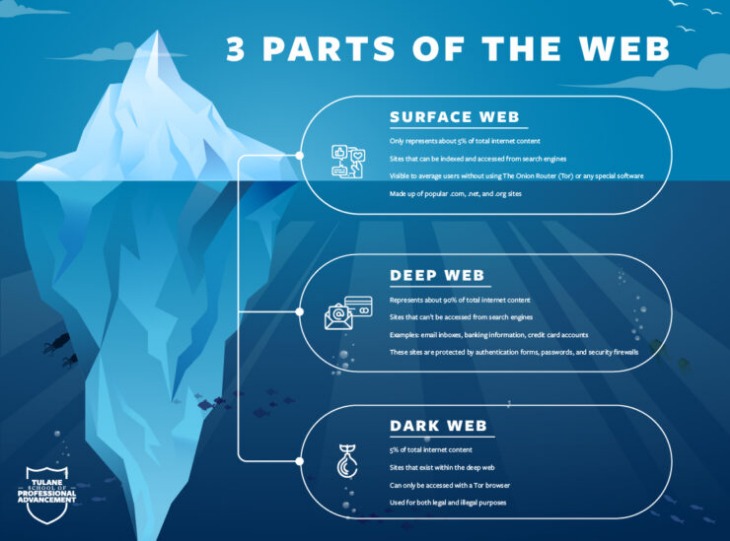
To comprehend the dark web, it’s essential to distinguish it from the surface web and the deep web. The surface web consists of all the content that is indexed by search engines and is easily accessible. The deep web includes any content not indexed by search engines, such as databases and private corporate sites. In contrast, the dark web exists on a separate network that requires special software to access, thus providing a layer of anonymity for its users.
Within the dark web, there are various marketplaces that operate, allowing users to buy and sell goods and services—some legal, some illegal. These marketplaces can range from forums discussing cryptocurrencies to platforms selling illicit substances. It is important to approach these sites with caution, as they can expose users to risky and potentially harmful situations.
While the dark web does have its share of criminal activity, it also plays a crucial role in promoting freedom of expression and protecting personal privacy. Journalists and activists often utilize this hidden part of the internet to communicate safely and securely. Understanding the nuance of the dark web helps in appreciating the balance between security and freedom in the digital age, highlighting its complexity beyond mere criminality.
Deep Web vs. Dark Web
The internet is often thought of as a vast landscape, but beneath its surface lies the Deep Web and the more elusive Dark Web. While the Deep Web includes all parts of the internet not indexed by traditional search engines, the Dark Web is a small portion where illicit activities occur, and browsing the dark web can be quite risky. Users often venture into this hidden realm out of curiosity or for purposes such as privacy and anonymity, but it also hosts areas rife with hacking and illegal dealings. Engaging with the dark web requires caution and a keen understanding of the risks involved.
What is the Deep Web?
The terms “Deep Web” and “Dark Web” are often used interchangeably, but they refer to different parts of the internet. Understanding these distinctions is essential for anyone curious about the complexities of online browsing. While the surface web is what most people use daily, the Deep Web includes vast amounts of content not indexed by standard search engines. This content is not inherently malicious but serves various legitimate purposes.
The Deep Web encompasses a variety of online spaces that provide essential services and resources, including:
- Databases: Research databases that require subscriptions or institutional access.
- Private corporate sites: Intranets and other internal resources protected by firewalls.
- Academic resources: Scholarly articles and papers that are stored behind paywalls.
- Medical records: Personal health information that is secured for privacy reasons.
On the other hand, the Dark Web is a small part of the Deep Web, specifically designed for anonymity and usually accessible only through specialized software. While browsing the Dark Web can expose users to illegal activities, the Deep Web itself is much broader and largely legitimate. Understanding this difference can help users navigate various online environments safely and responsibly.
Exploring the Dark Web
The internet is a vast space made up of different layers and areas, akin to an iceberg where only a small part is visible above the water. Two of these layers are the Deep Web and the Dark Web, often confused but distinctly different. The Deep Web includes all the content not indexed by traditional search engines, such as private databases, medical records, and academic resources. In contrast, the Dark Web is a small segment of the Deep Web, characterized by its anonymity and illicit activities.
Exploring the Dark Web requires specialized software, like Tor, which allows users to browse anonymously. This environment attracts various individuals, ranging from those seeking privacy to unfortunate criminal enterprises. Here, one can stumble across forums related to hacking, where illicit services and discussions occur freely under the guise of anonymity.
While the Dark Web can sound ominous, it’s not all about illegal activities. Some users seek shelter from surveillance, especially in oppressive regimes where free speech is stifled. However, the presence of nefarious content makes navigating this area risky. As a potential traveler to the Dark Web, it’s crucial to stay informed and cautious. The allure of uncovering hidden treasures of information must be balanced against the possible dangers that lurk in the shadows.
In summary, while both the Deep Web and Dark Web play significant roles in shaping online experiences, the Dark Web stands out for its unique combination of anonymity and questionable ethics. Those who choose to explore its depths should do so with a strong understanding of the risks involved, and always prioritize their safety and security.
Tools for Browsing the Dark Web
The dark web is a part of the internet that is not indexed by traditional search engines, making it a realm of hidden information and often illicit activities. To navigate this intriguing yet risky space safely, understanding the tools for browsing the dark web is essential. Many users seek anonymity while exploring, as it provides a layer of protection against scrutiny and potential threats. Familiarity with privacy-focused browsers and secure communication tools can help ensure a more secure experience as you delve into the complexities of the dark web. Always remember to prioritize your anonymity and stay cautious.
Using Tor Browser
The dark web, a part of the internet not indexed by traditional search engines, often evokes curiosity and apprehension. It hosts various communities and activities that operate outside the confines of surface web regulations. To access this hidden realm, one of the most popular and effective tools is the Tor Browser. Tor enables users to browse anonymously, providing a crucial layer of privacy that many seek while navigating this complex space.
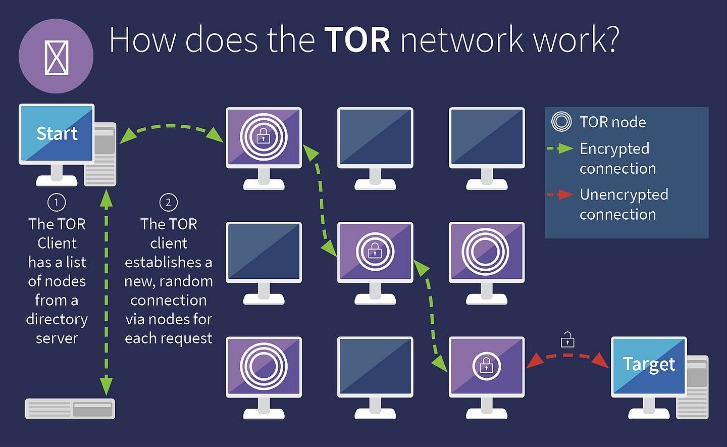
Using the Tor Browser is relatively straightforward. After downloading and installing it, users connect to the Tor network, which routes their internet traffic through a series of volunteer-operated servers. This process obscures their location and usage, making it difficult for anyone to trace their activities. However, while Tor offers substantial anonymity, it is essential to remain cautious and informed. Not all sites on the dark web are safe, and some can expose users to harmful content or security risks.
Another important aspect of browsing the dark web is maintaining privacy through best practices. Users should consider using additional privacy tools such as a VPN (Virtual Private Network) to further mask their internet connection. It’s also wise to avoid sharing personal information or logging into accounts that can be tied back to their real identity. The allure of the dark web may be strong, but safeguarding one’s privacy is paramount.
Ultimately, exploring the dark web using tools like the Tor Browser can provide a unique glimpse into an enigmatic part of the internet. However, doing so responsibly and with a commitment to privacy will enhance the experience while minimizing potential risks. Users venturing into this territory should remain vigilant, recognizing the dual nature of the opportunities and dangers that lie within.
Onion Routing Technology
Browsing the dark web can be an intriguing venture for those seeking privacy and anonymity online. However, this part of the internet is known for its unique challenges and potential dangers. One of the key technologies that make dark web browsing possible is onion routing, which provides layers of encryption to protect users’ identities and activities.
Onion routing works by sending users’ data through a series of volunteer-operated servers, known as nodes or relays. Each node decrypts a layer of encryption, revealing the next destination until the data reaches its final stop. This multi-layered approach ensures that no single node ever knows both the origin and destination of the data, thereby enhancing privacy significantly.
To access the dark web, specialized tools such as the Tor browser are often utilized. This browser is specifically designed to route traffic through the Tor network, enabling users to visit websites that have .onion addresses. While the anonymity provided by these tools can be beneficial for those wanting to escape government surveillance or oppressive regimes, it also attracts individuals involved in illegal activities. Users should be aware that while the dark web might provide a facade of safety, it is rife with risks and potentially harmful content.
In summary, onion routing technology and tools like the Tor browser play a crucial role in allowing users to explore the dark web. However, with its unique offerings comes the shadow of illegal activities, reminding us to tread carefully and remain cautious when venturing into this hidden corner of the internet.
Risks of Browsing the Dark Web
Exploring the browsing the dark web can be an eye-opening experience, revealing a hidden side of the internet that’s often shrouded in secrecy. However, such exploration comes with significant risks that users must be cautious about. The dark web is notorious for harboring illicit content, which can not only lead to legal issues but also expose you to malicious software and potential scams. As you navigate this underground realm, understanding the dangers is crucial for protecting your online safety and personal information.
Limited Anonymity
The dark web is often shrouded in mystery and intrigue, attracting users with promises of anonymity and freedom from surveillance. However, diving into this underbelly of the internet carries significant risks that should not be overlooked.
One of the primary concerns when exploring the dark web is the limited anonymity that many believe they have. While tools like Tor are designed to mask your identity and location, using them is not foolproof. Law enforcement and cybercriminals have developed sophisticated techniques to de-anonymize users, which can lead to serious legal repercussions or exposure to dangerous individuals.
Additionally, engaging with content on the dark web can be risky due to the prevalence of malware and scams. Many websites are riddled with harmful software that can compromise your personal data or take control of your device. Without taking proper precautions, users can easily fall victim to these malicious attacks, resulting in loss of sensitive information or financial theft.
Furthermore, the dark web is a breeding ground for illegal activities and illicit goods. Just by browsing certain forums or marketplaces, users may find themselves inadvertently involved in criminal behavior, which can have dire legal consequences. The blurred lines of legality make it essential to remain cautious while navigating this digital frontier.
In summary, while the allure of the dark web may be tempting, the risks associated with limited anonymity, malware exposure, and legal troubles are substantial. It’s vital to weigh these dangers carefully before deciding to explore this hidden side of the internet.
Legal Implications
The dark web is a hidden part of the internet that requires specific software and configurations to access, most commonly through the use of Tor. While it can offer anonymity and access to various types of information or services, it also comes with significant risks and legal implications that users should be aware of before exploring its depths.
One of the primary risks associated with browsing the dark web is the potential exposure to illegal activities. Many sites host illicit content such as drugs, weapons, or stolen personal information. Engaging with these sites can lead to serious legal consequences, including arrest and charges of conspiracy or trafficking, even if the intention was merely to browse.
Moreover, the dark web is notorious for its lack of regulation and the presence of scams. Users may find themselves victims of fraud or even malicious software, which could compromise their personal data or the security of their devices. This unpredictability poses a danger, highlighting the importance of being cautious if one chooses to explore this area of the internet.
From a legal standpoint, simply accessing certain content on the dark web can be a gray area. While using Tor itself is legal in many countries, visiting or downloading illegal materials can lead to prosecution. Law enforcement agencies monitor dark web activities, and many users have inadvertently found themselves on the wrong side of the law due to a lack of knowledge about what constitutes illegal content.
- It is a component of Whonix, an operating system that functions as a whole inside a virtual computer.
- The .onion site has thousands of downloadable comic books ranging from niche to mainstream.
- After the download, the user needs to open the .dmg file, which will mount a virtual drive containing the Tor Browser application.
- In “safer” mode, JavaScript is disabled on HTTP sites, some fonts are disabled, and all audio and video won’t run automatically, you’ll have to click to play.
- To put it less technically, the entry node knows who you are but not where you’re going.
In summary, while the dark web can be seen as an intriguing space for anonymous browsing, the risks, including exposure to illegal activities and potential legal consequences, shouldn’t be taken lightly. Ensuring that you understand the laws concerning dark web access and the ethical implications of your online actions is crucial for anyone considering venturing there.
Search Engines on the Dark Web
Browsing the dark web can be a mysterious and intriguing endeavor for many users. Unlike the surface web, where standard search engines dominate, the dark web requires specialized search engines to navigate its hidden corners. These engines can help users unearth a wealth of information, from forums to marketplaces, deep within this encrypted part of the internet. To effectively explore the dark web, one often relies on the Tor network, which cloaks user identities and allows access to .onion sites, offering a layer of anonymity. For those keen to explore, understanding these search engines is crucial for a safe and informed browsing experience.
Finding Content
Browsing the dark web can be both a fascinating and daunting experience. Unlike the surface web, where information is readily accessible through standard search engines, the dark web requires specialized tools and knowledge to navigate effectively. Understanding how to find content in this hidden realm is crucial for anyone looking to explore it.
One of the main tools for searching the dark web is the use of specific search engines designed for .onion sites. These search engines operate differently from traditional ones. They index content available only through the Tor network, which anonymizes users and provides a layer of privacy that is often sought by those wanting to remain under the radar. Popular dark web search engines include Ahmia and Not Evil, which allow users to search for content in a more user-friendly manner.
However, searching the dark web isn’t just about the engines; it also requires understanding the types of content you might encounter. While there are legitimate sites offering forums, academic articles, and even art, there are also areas associated with illegal activities. Caution is advised, and always keep privacy concerns at the forefront of your exploration.
In addition to traditional search engines, some users turn to directories that categorize sites on the dark web. These directories can help users find what they’re looking for without having to sift through numerous links. Knowledge of specific keywords and phrases can also enhance your ability to locate desired content efficiently.
Ultimately, while the dark web offers a trove of information, navigating it requires a careful approach. Ensuring your privacy is always a priority, and being respectful of the boundaries set by the digital landscape will enhance your experience. By understanding the tools available and the nature of dark web content, you can embark on a safer, more informed journey through its depths.
Common Sites and Activities
Exploring the dark web can be a fascinating yet daunting experience, as it is a realm often filled with mystery and intrigue. Common sites in this hidden part of the internet host a variety of activities, ranging from forums discussing unconventional topics to marketplaces that engage in the exchange of various goods and services. As you navigate this shadowy space, it’s essential to stay informed about the risks and benefits of browsing the dark web, especially with regard to how cryptocurrencies play a significant role in facilitating transactions. Engaging with the right tools and knowledge can help you uncover the unique aspects of this enigmatic online terrain.
Types of Websites
Browsing the dark web can be a fascinating yet treacherous endeavor for those curious about hidden corners of the internet. The dark web is often associated with anonymity, where users can explore websites and activities not indexed by conventional search engines. However, this anonymity attracts a mix of communities, including some that engage in illegal activities.
Common sites on the dark web include forums, marketplaces, and blogs, where users exchange information or sell products, some of which may be illicit in nature. It’s important to approach these sites with caution. Activities can range from sharing literature and art to outright illegal activities like drug sales and hacking services. Many users are drawn to the dark web for the promise of unfiltered information and free speech, but it’s essential to understand that this environment can also expose individuals to serious risks.
When accessing the dark web, it’s advisable to use specific types of websites that enhance security and privacy. These typically include .onion sites accessed through special browsers like Tor, which helps mask user identity. However, while these measures can provide some degree of safety, they cannot eliminate the inherent risks associated with dark web browsing. Malware, scams, and data breaches are just a few potential hazards that lurk behind the veil of anonymity.
Before diving into this hidden world, it’s crucial to be informed and cautious. Understanding the nature of the activities that take place and the types of websites commonly visited can empower users to navigate the dark web more safely. Remember, maintaining online security should always be a top priority when exploring this enigmatic space.
Purchases on the Dark Web
Browsing the dark web can lead users to a variety of sites and activities that are often hidden from the regular internet. This part of the web is known for its anonymity and unregulated content, where individuals can access forums, marketplaces, and even chatrooms that discuss highly sensitive topics.
Common sites on the dark web often include marketplaces where illegal goods and services are exchanged. Users can find anything from counterfeit documents and stolen data to illicit substances. Some forums focus on sharing hacking techniques or discussing privacy and security tools. These interactions usually emphasize maintaining anonymity and using encryption to protect users’ identities.
Among the notable purchases made on the dark web are illicit items such as drugs, firearms, and personal information like credit card details or identities. The financial transactions typically occur using cryptocurrencies, which provide a layer of privacy for both buyers and sellers. This anonymity can be a double-edged sword; while it protects individuals, it also facilitates dangerous and illegal activities.
Overall, while the dark web presents opportunities for exploration and access to unregulated content, it also poses significant risks. Users should proceed with caution, being fully aware of the legal and ethical implications that come with engaging in illegal activities.
Safety Precautions
When it comes to browsing the dark web, safety precautions are more essential than ever. This hidden part of the internet offers unique resources and communities, but it also harbors significant risks. To ensure a safer experience while exploring, it is vital to understand and implement necessary measures. By staying informed about potential threats and utilizing tools like VPNs and Tor browsers, users can navigate this enigmatic space with greater confidence. Additionally, familiarizing oneself with the various marketplaces available can help in making informed decisions while maintaining safety during your journey into the dark web.
Staying Safe Online
Exploring the dark web can be both intriguing and risky. It’s essential to prioritize safety precautions while navigating this hidden part of the internet. The dark web offers anonymity, but it also harbors potential dangers that can threaten your online security and personal information.
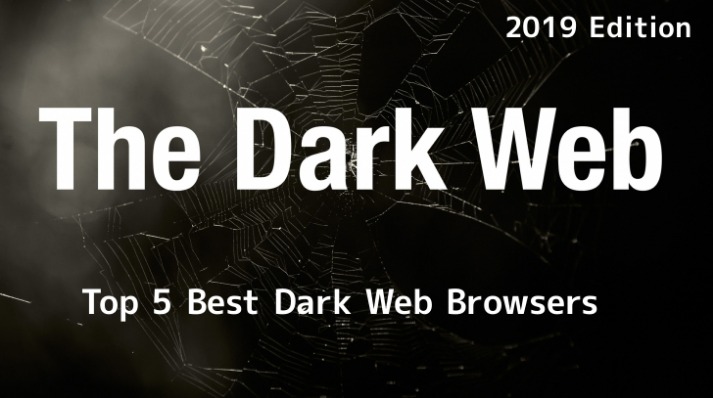
First and foremost, using secure browsing tools is crucial. The most common way to access the dark web is through Tor, a browser designed to conceal your identity and enhance privacy online. However, while Tor provides a layer of anonymity, it does not protect you from malicious sites or intentions. Always remain vigilant about the websites you visit.
Another important safety measure is to never share personal information. Your real identity should remain confidential while exploring this space, as revealing sensitive details can lead to severe consequences. Avoid using your primary email or any account tied to your identity.
Moreover, it’s beneficial to use a virtual private network (VPN) in conjunction with Tor. A VPN adds an extra layer of security by encrypting your internet connection, making it much harder for anyone to track your online activity. This combination helps to ensure that your information stays protected while browsing.
Lastly, be cautious about the content you encounter. The dark web is known for its illegal activities and dangerous communities. Engaging in or purchasing illicit goods can lead to serious legal repercussions, so it’s best to steer clear of any suspicious offers or transactions.
In conclusion, while the allure of the dark web may be tempting, prioritizing safety is essential. Remember to use Tor, keep your personal information private, consider employing a VPN, and always stay aware of the potential risks involved. Navigating the dark web with caution can help you maintain your safety and enjoy a more secure online experience.
Monitor Your Data
When venturing into the dark web, it’s crucial to prioritize your safety and security. The anonymity that the dark web offers does come with its own set of risks, and being aware of these hazards can help you navigate safely. One of the first steps is to use a reliable VPN, which encrypts your internet connection and masks your IP address, making it harder for anyone to track your online activities.
Additionally, always keep your software up-to-date. This includes your operating system, browser, and any security tools you may employ. Outdated software can be an easy target for malicious actors. Enable firewall settings on your device and consider using a dedicated device only for dark web browsing. This can isolate potential threats from your main computer.
Monitoring your data is also essential. Keep an eye on your digital footprint and be mindful of the information you share. Utilize security features that alert you to any unauthorized access to your accounts, and conduct regular checks on your accounts and devices for any unusual activity. Should you encounter illegal content or activities on the dark web, it’s important to remember that you could be facing scrutiny from law enforcement agencies. Staying on the right side of the law is paramount.
Lastly, always practice caution when downloading files or interacting with others. Files can be laced with malware, and not everyone you encounter will have good intentions. Stick to reputable sources and communities and remain skeptical of deals that seem too good to be true. By taking these precautions, you can help ensure a safer experience while exploring the dark web.
Conclusion and Considerations
As we reach the end of our exploration into the realm of browsing the dark web, it is crucial to reflect on the implications and considerations surrounding this hidden part of the internet. While browsing the dark web can lead to fascinating discoveries, it also exposes users to risks, including potential encounters with illegal activities. Understanding these aspects helps ensure a safer approach to navigating this shadowy online landscape.
Final Thoughts
In conclusion, navigating the dark web can be both intriguing and perilous. As we have discussed, while it offers a realm of anonymity and access to information not available on the surface web, users must remain vigilant against potential dangers lurking within. The use of specialized software like Tor is essential for maintaining privacy and security, yet it does not guarantee complete safety from malicious activities.
Considerations when exploring this hidden part of the internet include being aware of the legal implications and understanding the ethical boundaries of what can be found there. As with any online activity, critical thinking and caution are paramount. Ultimately, approaching the dark web with curiosity coupled with a clear understanding of its risks can lead to more informed decisions.
Final thoughts emphasize the importance of staying informed about the continuously evolving landscape of the dark web. Engaging in this space requires a balance of exploration and caution, ensuring that the quest for knowledge does not compromise personal safety. As technology continues to develop, so too will the ways we access and utilize the internet, making it essential to stay updated and educated on these matters.